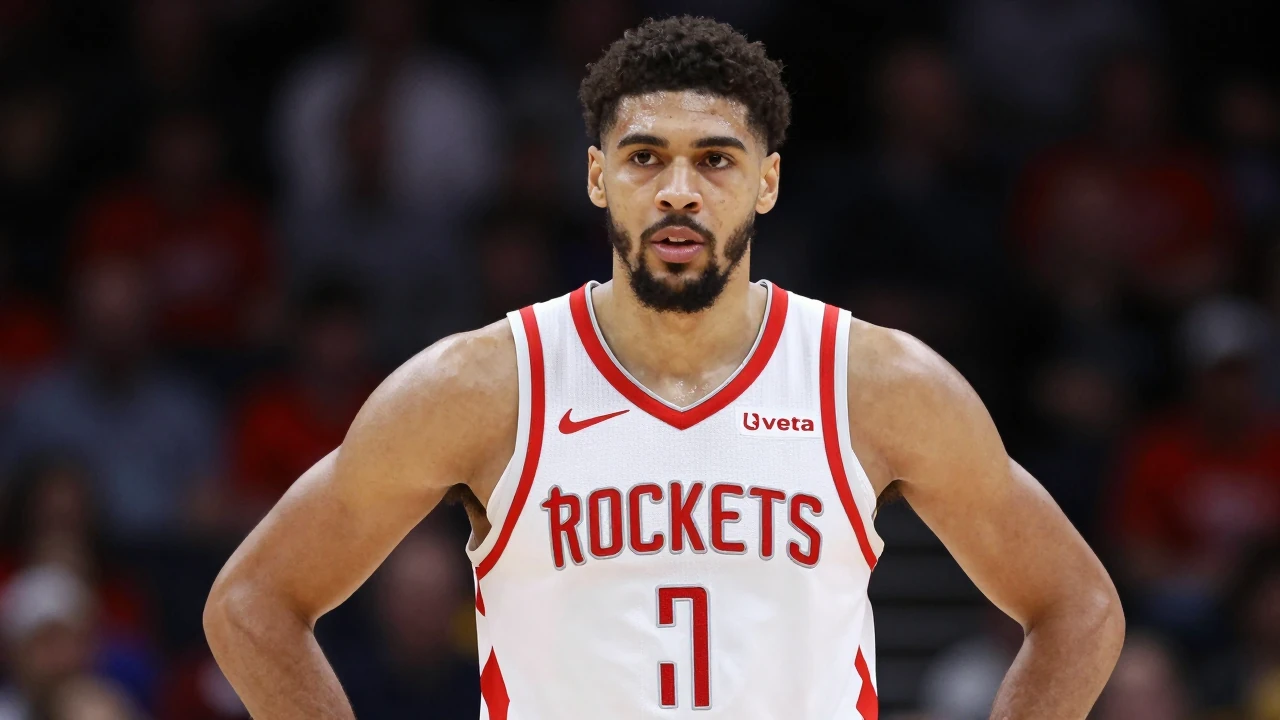
The Houston Rockets enter the 2026-27 NBA season under immense pressure after another playoff disappointment, culminating in a 78-98 loss to the Los Angeles Lakers on May 2, 2026. Their recent form of 2 wins and 3 losses in the last five games underscores a team at a crossroads where management, coaching, and players must all deliver results.
What is the pressure on Rockets management?
Rockets management needs to produce at least a playoff series win. Failing that, significant organizational changes are likely. The team has moved past its 'scrappy up and coming' phase after making the playoffs two years in a row only to exit painfully both times. Excuses have been plentiful. After the Lakers series, the front office pointed to Fred VanVleet's absence and Kevin Durant's injury. But VanVleet's injury happened in September the previous year, and several capable point guards were traded during the season for less than the cost to move Dorian Finney-Smith's contract. None came to Houston.
General Manager Rafael Stone failed to react to preseason or early-season injuries with a coherent contingency plan. The Rockets essentially had the same season as the year before without VanVleet, even slowing their offensive pace to 29th in the league. Relying on Steven Adams was also a flawed strategy. Adams has averaged just 33 games played over the past four regular seasons. You cannot build a postseason plan around a player with that availability record.
How did coaching decisions impact the playoffs?
Coaching adjustments were a major issue in the playoffs. Against the Warriors, Jalen Green received disproportionate blame for a loss where the coaching staff showed a limited ability to adjust. The series against the Lakers highlighted another problem. The offense was forced through Kevin Durant, a Hall of Fame scorer and finisher, but not a natural initiator. This happened all season long.
Neither second-year guard Reed Sheppard nor Amen Thompson was ready for playoff point guard duties against Los Angeles. The coaching insistence on using Durant as a primary initiator, despite his skills lying elsewhere, handicapped the offense when it mattered most. This lack of adaptability has become a pattern.
What must the players deliver now?
The player core, including Jalen Green, Alperen Sengun, and the younger prospects, must take a collective step forward. Two consecutive first-round exits are not acceptable for this group's talent level. Kevin Durant, when healthy, remains an elite scorer, but the team's structure must maximize his talents without forcing him into an unnatural role. The development of Sheppard and Thompson is now urgent, not optional.
Players need to execute better in high-pressure moments. The offensive system ranked 29th in pace last season, which places a premium on half-court execution and shot-making. That execution failed against the Lakers. You can check the team's current roster health on our injuries page as they prepare for this defining campaign. The front office's job was to build a resilient roster. The coaches' job is to devise a winning scheme. The players' job is to perform when the lights are brightest. All three legs of the stool must hold.
Can the Rockets turn it around?
It's possible. The talent on the roster suggests they can compete for more than a first-round appearance. But belief is fading after repeated playoff letdowns and a pattern of excuses. The 2026-27 season is the ultimate test. Another early exit will force owner Tilman Fertitta to make hard decisions. The time for potential is over. The time for results is now. The Rockets' recent form of LWWLL shows inconsistency that must be ironed out before next spring. Every game from October onward will be scrutinized under this new, results-oriented mandate.