# The Dawn of the 'Run and Gun' Era: Rockets' 1993 Transformation
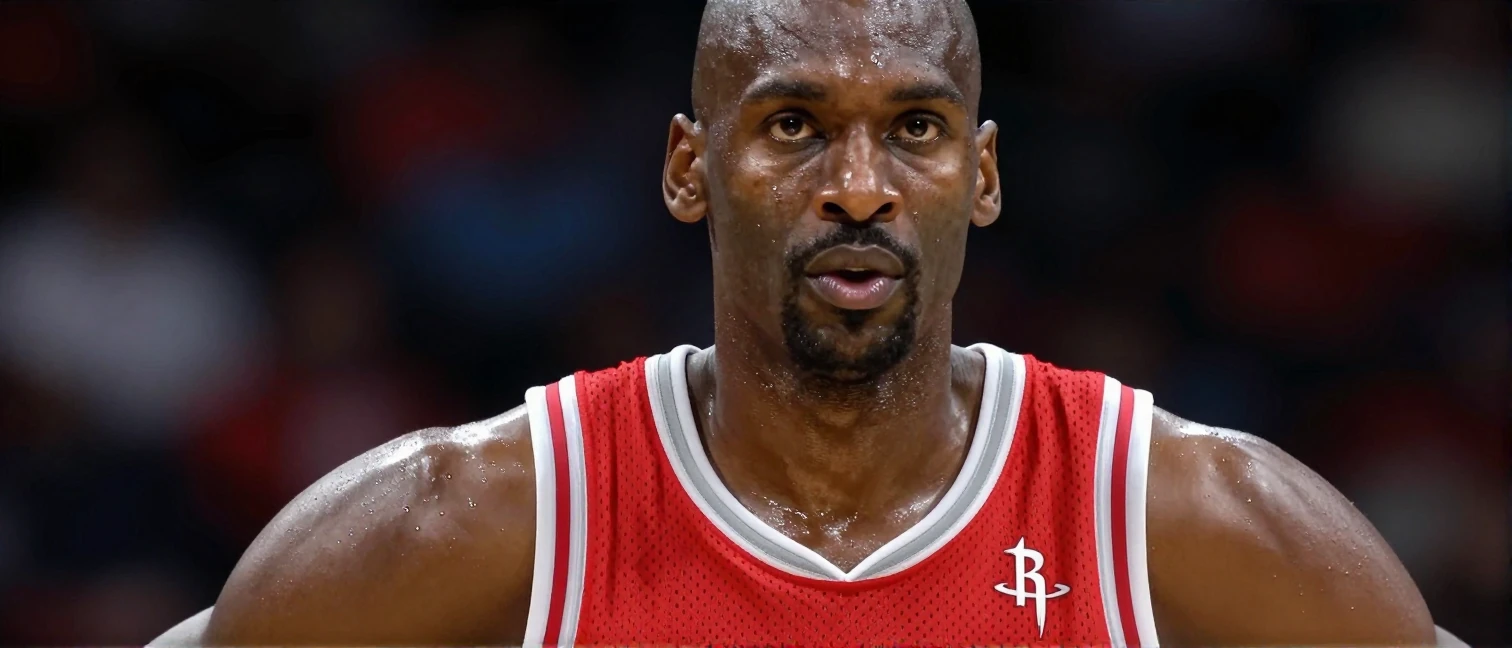
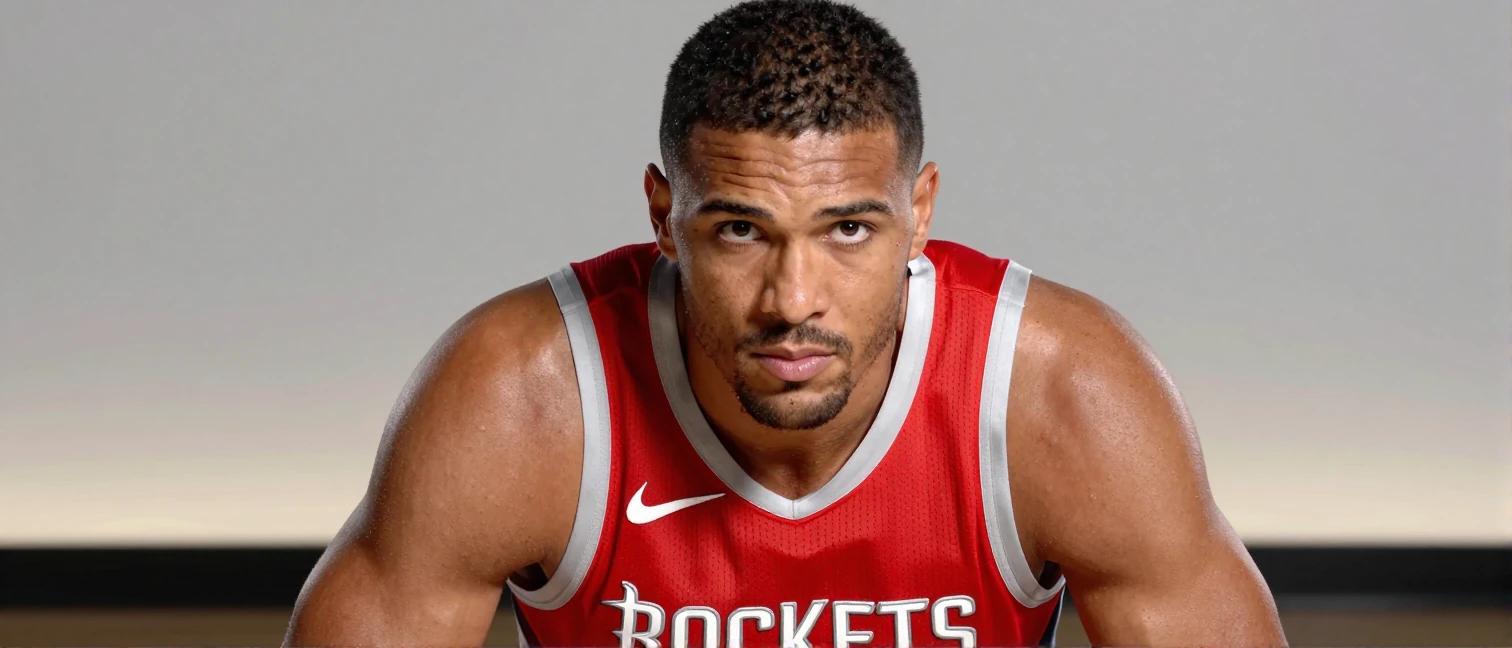
In the early 1990s, the Houston Rockets were in a transition period. After making the playoffs in 1991 and 1992, the team faced the challenge of rediscovering its identity in a league that was rapidly evolving. Under the leadership of head coach Rudy Tomjanovich, the Rockets began to embrace a style of play that would not only define their future but also influence the entire NBA: the 'Run and Gun'.
The catalyst for this transformation began with the arrival of a dynamic rookie named Sam Cassell in 1993. The 6-foot-3 point guard brought a new level of energy and playmaking that was crucial for the Rockets' transition into a more fast-paced offense. With Cassell orchestrating the offense, the Rockets started to utilize a transition game that emphasized quick passes and swift scoring opportunities. This was a stark contrast to the slower, more methodical styles predominant in the league at the time.
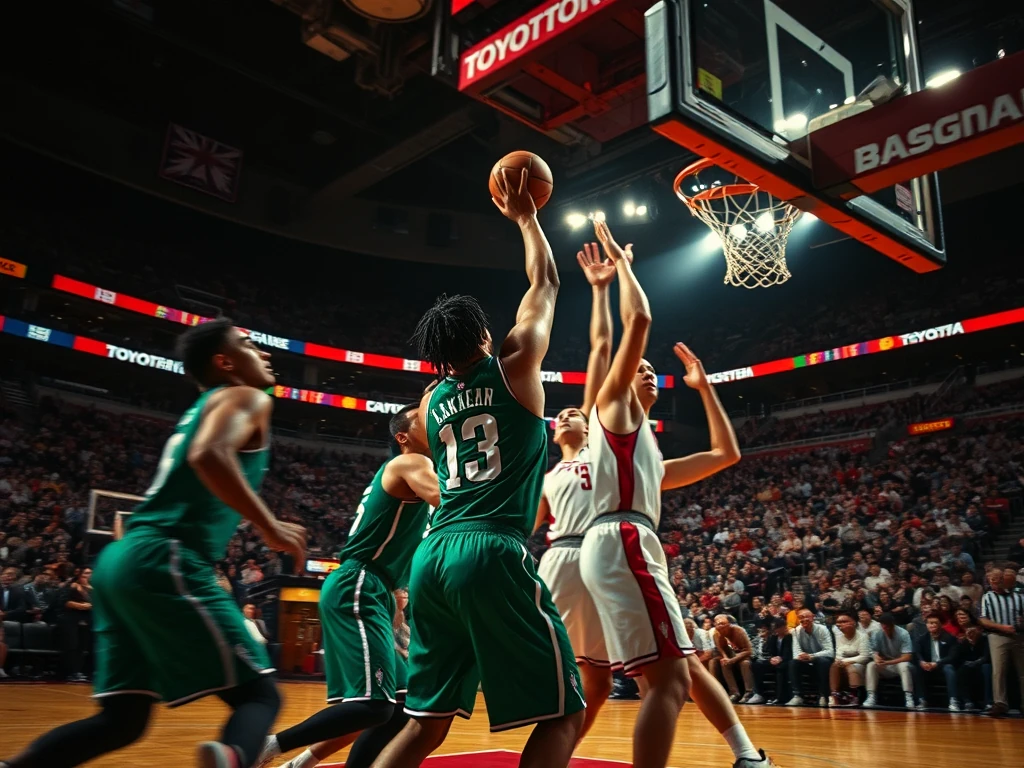
Alongside Cassell was the ever-reliable Hakeem Olajuwon, whose post presence and shot-blocking abilities allowed the Rockets to push the ball after defensive rebounds. When Olajuwon secured the board, it often led to fast breaks, with Cassell and shooting guard Vernon Maxwell sprinting down the floor. This combination created a potent offensive attack that made the Rockets a nightmare for opposing defenses. As the 1993 season progressed, Houston began to thrive on their ability to score in transition, leading to an uptick in both points per game and overall offensive efficiency.
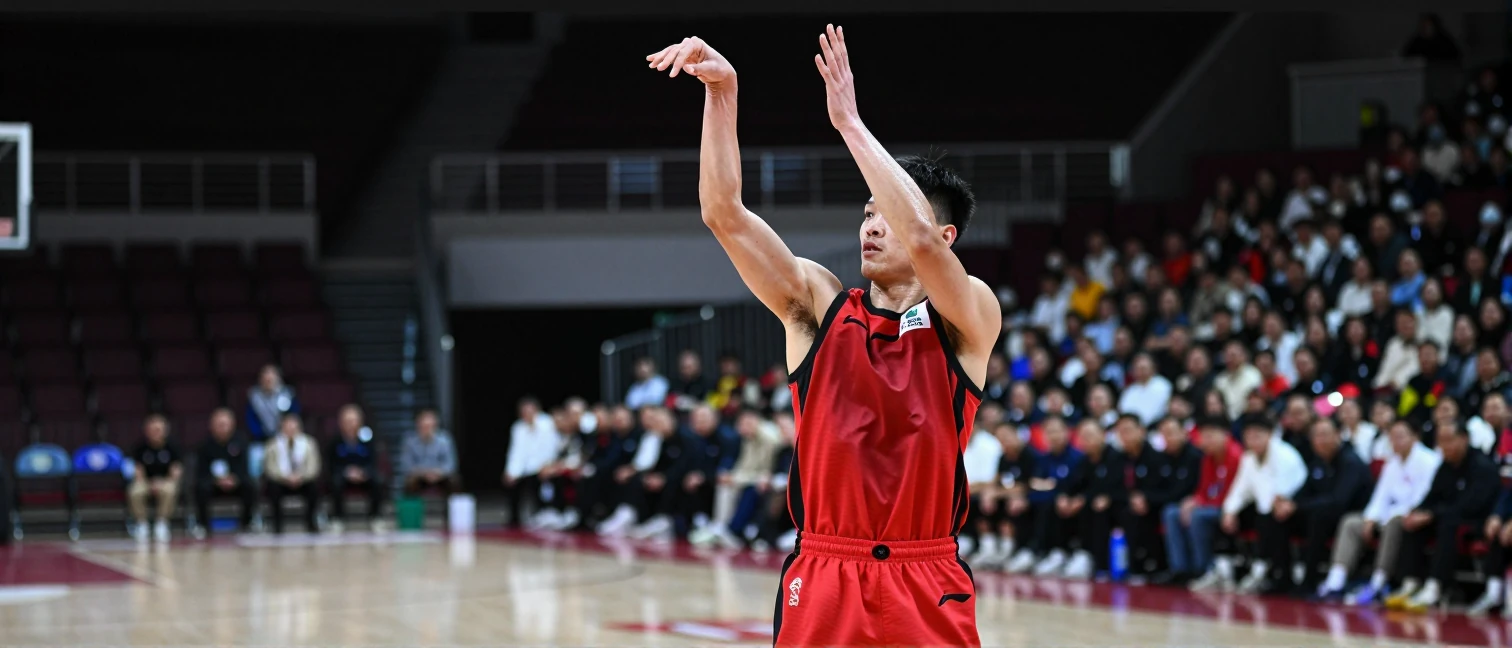
The 'Run and Gun' philosophy was not just about speed; it also emphasized three-point shooting. The Rockets began to position their players effectively on the perimeter, allowing for open shots that stretched opposing defenses. Maxwell became one of the early adopters of the long-range shot, which, combined with Olajuwon’s ability to dominate in the paint, created a dual threat that was difficult to defend. The team's ability to execute a quick transition from the defensive end to offensive sets became their hallmark.
This offensive revolution didn’t just improve their gameplay; it also sparked a cultural shift within the franchise. The Rockets became known for their high-scoring games, and fans flocked to the Toyota Center to witness the spectacle. The excitement generated by this new style of play helped to build a loyal fanbase that would support the team through its highs and lows.
As the Rockets continued to refine their new system, they improved their standing in the Western Conference. By the 1993-1994 season, they had fully embraced the 'Run and Gun' approach, culminating in a playoff run that would eventually lead to their first NBA Championship. While they had yet to taste victory that season, the groundwork laid by the 1993 transformation set the stage for the Rockets’ ultimate success.
In retrospect, the Rockets' shift to a fast-paced, high-scoring game in the early '90s was a pivotal moment in their history. It marked the beginning of an era that would not only reshape the franchise but also influence the way basketball was played in the NBA. The team’s embrace of a dynamic playing style, spearheaded by Cassell and Olajuwon, became a blueprint for future teams and established the Houston Rockets as a force to be reckoned with in the league.